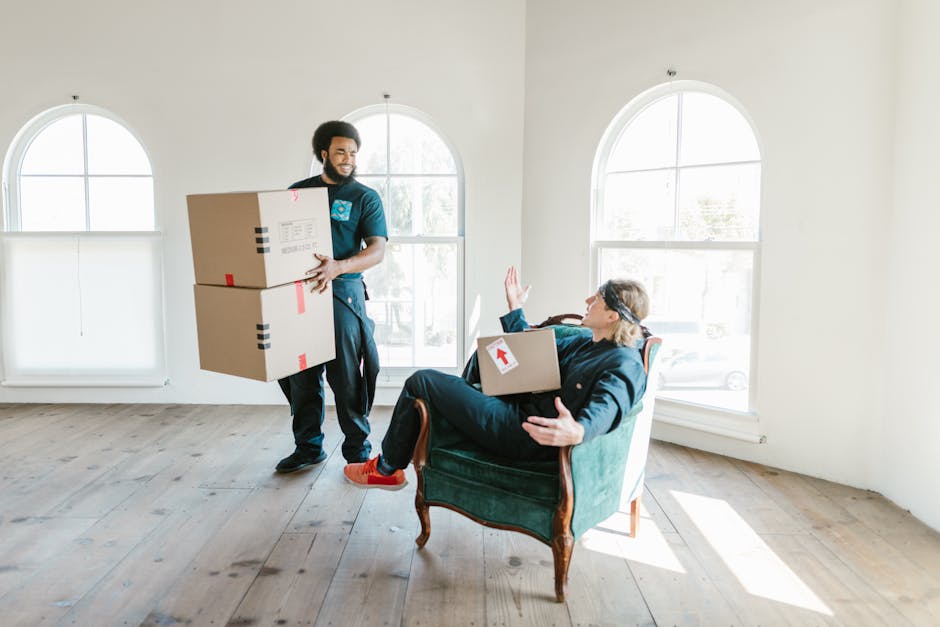
William Morris Gallery moves made easy with local removals

If you are planning a move near the William Morris Gallery, you probably already know the tricky bit is not just lifting boxes. It is the timing, the access, the parking, the stairs, the fragile items, and the mild panic that starts the night before. That is exactly where William Morris Gallery moves made easy with local removals becomes more than a phrase. It is a practical way to make a local move feel calm, organised, and far less draining.
Whether you are moving a flat, a family home, a small office, or just a few awkward pieces of furniture, local removals can save time and reduce stress. In a busy part of Walthamstow, that matters. You want a move that fits the street, the schedule, and your own sanity. Let's break down how the process works, what to expect, and how to choose the right support without overcomplicating it.
Why William Morris Gallery moves made easy with local removals matters
Moving close to a landmark like the William Morris Gallery sounds simple on paper. In real life, it often means tighter roads, limited waiting space, neighbours who do not want their entrance blocked, and a move-out time that arrives faster than you expected. A local removals team that knows the area can make a noticeable difference because they are already used to the rhythm of the streets, the likely pinch points, and the small details that slow other movers down.
That local familiarity is not a luxury. It is useful. It helps with route planning, loading order, and the sequence of the day. You do not want a team discovering parking issues at the kerb while your sofa is waiting in the hallway. You want people who have thought it through before the van turns up.
There is also a trust element. Local providers tend to rely on reputation and repeat work, so the service usually feels more personal. You are not just another postcode. You are someone whose move needs to be done properly, with care and without fuss.
Expert summary: the best local removals are not just about transport. They are about timing, access, handling, communication, and making the whole day feel manageable rather than chaotic.
How William Morris Gallery moves made easy with local removals works
The process is usually straightforward, but a good mover will make it look easier than it is. First, you explain what needs moving, where it is going, and any awkward details: stairs, fragile items, narrow access, parking restrictions, or storage needs. From there, the team can estimate the vehicle size, the number of movers, and the likely time required.
If your move is simple, a man and van service may be enough. If you have more furniture, a larger load, or several rooms' worth of belongings, you may need a fuller package from the wider removals side of the business. The point is not to overbook. It is to match the service to the job.
On moving day, the team should arrive with a clear plan. Good movers work in a logical order: bulky items first, boxed items next, then fragile or last-minute pieces. If packing help is included, you may also benefit from packing and boxes or packing and unpacking services. That can be a huge relief when you are already juggling keys, cleaners, and change-of-address admin.
It is worth saying this plainly: a smooth move is usually won before the van arrives. The better the pre-move information, the fewer surprises on the day. Sounds obvious, but people skip it all the time.
Key benefits and practical advantages
There are several reasons people near the William Morris Gallery choose local removals instead of trying to do everything themselves.
- Better local timing: a local team can often schedule more efficiently and avoid unnecessary delays.
- Less stress: you are not worrying about hiring a vehicle, navigating traffic, and lifting everything alone.
- Safer handling: experienced movers know how to carry heavy, awkward, or delicate items without drama.
- Suitable vehicle choice: from a smaller removal van to a moving truck, the load can be matched properly.
- Flexible support: some moves only need transport, while others need loading, packing, or storage.
There is also a practical money angle. A well-planned local move can reduce wasted time, repeated journeys, and damage risks. To be fair, the cheapest option is not always the one that costs least in the end. A dropped table leg, a scratched floor, or two extra van trips can change the maths quickly.
Local removals can also be helpful if your move involves items that need a bit more care than standard boxes. Think bookcases, mirrors, framed art, musical instruments, or a bulky wardrobe that refuses to fit through a doorway in the polite way you hoped it would. For those moments, experienced handling matters more than fancy promises.
Who this is for and when it makes sense
This kind of move suits a wide mix of people. In fact, it is one of those services that becomes useful much earlier than people expect.
- Homeowners moving locally: ideal if you are relocating within Walthamstow or nearby streets.
- Flat dwellers: especially useful when stairs, lifts, and shared entrances make DIY moving a headache. Flat removals can be the difference between a smooth handover and a long, sweaty afternoon.
- Families: if there are beds, toys, kitchen contents, and one child asking where the socks are every five minutes.
- Students: smaller loads, tighter budgets, and a need for flexible timing often make student removals a smart fit.
- Small businesses: if you are relocating stock, desks, or equipment, you may want a service shaped more like commercial moves or office removals.
It also makes sense if you have limited help on hand. Not everyone has three strong friends available on a Tuesday morning. And even if they do, your friends may not be thrilled about carrying a fridge down a narrow stairwell. Fair enough, really.
If you have one or two items that need special handling rather than a full property move, furniture removals or furniture pick-up may be more appropriate. The right fit keeps the move efficient and avoids overpaying for capacity you do not need.
Step-by-step guidance
Here is the simplest way to organise a local move near the gallery without losing track of the details.
- List what needs moving. Walk through each room and write down the large items, boxes, and anything fragile or valuable.
- Check access. Measure doorways, note stairs, and think about where the van can park. If access is tight, mention it early.
- Choose the right level of service. If you only need a driver and loading help, a man with a van or man with van option may be enough. For fuller support, choose broader removal services.
- Pack in a sensible order. Start with items you use least. Label boxes by room, and mark fragile items clearly.
- Separate essentials. Keep documents, chargers, medication, keys, and a kettle or two in a bag you can reach quickly. Trust me on the kettle.
- Confirm the schedule. Agree the arrival window, payment method, and any building access notes before moving day.
- Load with purpose. Heavy items go first, fragile items last, and loose gaps should be filled carefully to stop shifting in transit.
- Unpack the important rooms first. Usually kitchen, bedroom, and bathroom. You will feel settled much faster.
If there is a same-day change, a team offering same-day removals can sometimes help, but only when the details are clear and the job is realistic. Last-minute moves are possible. They just need sharp communication and a bit of luck.
Expert tips for better results
In our experience, the smoothest local moves share a few habits.
1. Photograph awkward items before the move. A quick photo helps confirm condition and can be useful if anything needs to be referenced later. It also reminds you which box the lamp cable went into, or at least you hope it does.
2. Use proper packing materials for the items that matter. Books can be packed tightly, but glassware, artwork, and electronics need more care. If you are not sure, more padding is usually safer than less.
3. Keep pathways clear. Hallways, door thresholds, and front steps should be free of clutter. A clean route saves time and prevents little accidents that become big annoyances.
4. Be honest about volume. Most moving problems happen because the load was described too modestly. If you think it may need a larger van, say so. Nobody enjoys discovering that the "few boxes" include half a kitchen.
5. Ask about storage if timing does not line up. If keys, renovations, or handover dates do not match neatly, storage can be the pressure release valve that keeps everything sane.
6. Match the vehicle to the street. A smaller vehicle can sometimes be more efficient in built-up areas than a larger one that is awkward to position. That is one reason an experienced local team can be so useful.
Little choices add up. A well-labelled box, one phone call done early, a spare roll of tape. These things sound minor until you are standing in a half-empty room at 7:40 in the morning wondering where the coffee mugs went.
Common mistakes to avoid
Even organised people make a few predictable errors. The good news is they are easy to avoid once you know them.
- Leaving packing too late: the result is rushed boxes, broken items, and unnecessary stress.
- Not checking parking or access: this can delay the van and make loading harder than it should be.
- Underestimating how much you own: a small flat can still produce a surprising amount of stuff.
- Forgetting to protect floors and door frames: especially important in rented properties or freshly decorated homes.
- Using the wrong service type: a simple item collection is not the same as a full house move.
- Not separating essentials: because the first night in a new place is far easier when you can find toiletries, a charger, and bedding without excavating ten boxes.
Another common one? Assuming every mover handles every kind of item the same way. They do not. A piano, for example, is a very different conversation from a side table. If you have something especially heavy or sensitive, discuss it properly in advance. It saves everyone a headache.
Tools, resources and recommendations
You do not need a huge toolkit, but a few practical items make a move much easier.
- Strong boxes: uniform box sizes stack better and make the van safer to load.
- Packing tape and labels: simple, but absolutely worth it.
- Blankets and wraps: useful for furniture edges, mirrors, and polished surfaces.
- Marker pens: for room names, priorities, and "do not stack" notes.
- Basic toolkit: screwdrivers, Allen keys, and something to cut tape without destroying the box.
- Phone photos: a very underrated moving tool, honestly.
If you want a more hands-off approach, consider combining moving transport with support from packing and unpacking services. That is especially useful for busy households, older movers, or anyone who simply does not want to spend three evenings living inside a sea of cardboard.
For price planning, it is sensible to look at pricing and quotes early. Clear quotes help you compare options properly and avoid awkward surprises later. And while you are checking the practical details, it is wise to read a company's terms and conditions and their insurance and safety information too. A few minutes of reading can spare you a lot of guesswork.
Law, compliance, standards, or best practice
For most local moves, the legal side is not complicated, but it should still be taken seriously. If a move involves public roads, parking restrictions, shared entrances, or building rules, you need to plan around those practical limits. In London, that often means being careful about loading bays, resident access, and timing. You do not want a van blocking a driveway while someone is trying to leave for work. Nobody wants that conversation.
Best practice usually includes clear communication, safe lifting, suitable vehicle loading, and proper care for property and belongings. Good movers should be transparent about what they can do, what they cannot do, and any limits around access or heavy items. If you are moving from or into a managed building, check whether the building expects advance notice or specific booking times for lifts and loading areas.
It is also sensible to ask how a company approaches safety and responsibility. A well-run business should have clear policies, sensible handling practices, and straightforward payment arrangements. If you are reviewing details online, pages such as health and safety policy, payment and security, and the company's about us section can help you judge whether they feel trustworthy and organised.
There is one more small but important point: sustainability. Reuse, recycling, and responsible disposal are part of a modern move. If you have unwanted items, a company with a sensible recycling and sustainability approach can help reduce waste and keep the process cleaner overall.
Options, methods, or comparison table
Choosing the right approach depends on how much you need moved, how far you are going, and how much help you want on the day.
| Option | Best for | Strengths | Watch-outs |
|---|---|---|---|
| Man and van | Small to medium local moves | Flexible, efficient, often cost-effective | May not suit larger household loads |
| Removal van | Furniture, boxes, and short local runs | Compact and practical for tight streets | Capacity may be limited for bigger moves |
| Moving truck | Fuller moves or larger loads | More space, fewer trips | Can be harder to manoeuvre in narrow access areas |
| Full removal service | Homes, flats, and detailed relocations | More support, less pressure on you | Usually costs more than a simple transport-only option |
There is no single "best" choice. The right one is the one that fits your belongings and your day. If you are moving from a compact flat near the gallery, one vehicle and a couple of helping hands may be enough. If you are relocating a family home or a busy work space, a fuller plan is probably wiser.
Case study or real-world example
Imagine a typical Saturday move in Walthamstow. A couple is leaving a two-bedroom flat not far from the gallery. They have a sofa, bed frames, several boxes of books, kitchen items, a desk, and a few fragile pieces they are oddly attached to. They also have a tight handover time and a stairwell that is narrower than it looked during the viewing. Classic.
Instead of trying to manage it all themselves, they book local removals, share a rough inventory, and mention the stairs, parking, and their awkward dining table. The team arrives with the right vehicle, brings the needed protection materials, and loads the van in the correct order. Because the route and access were discussed beforehand, there is no last-minute scramble. The move-out is finished without the usual rush, and the couple actually has time to breathe before heading to the new place.
That is what good local planning does. It does not make moving glamorous. It just makes it workable, and honestly that is enough.
Practical checklist
Use this list the week before moving day, then again the night before. It keeps things from slipping through the cracks.
- Confirm the moving date and arrival window
- Write down the full inventory
- Measure access points and note stairs or lifts
- Arrange parking or loading details if needed
- Pack fragile items with extra care
- Label boxes by room and priority
- Set aside essentials for the first 24 hours
- Protect furniture and floors where possible
- Review the moving company's insurance and safety details
- Check whether storage may be needed between dates
- Keep keys, documents, and valuables with you
- Confirm payment method and any final instructions
Quick practical takeaway: the fewer unknowns on moving day, the better the whole thing feels. Simple, but true.
Conclusion
William Morris Gallery moves made easy with local removals is really about more than convenience. It is about choosing a moving plan that fits the area, respects your time, and keeps your belongings safe. A local team can help you avoid the usual snags, from parking headaches to awkward lifting, and can often turn a stressful day into a fairly ordinary one. That is a win.
If you are moving nearby, the smartest next step is to match your load to the right service, check the practical details early, and ask clear questions before the van arrives. A thoughtful move is almost always a smoother move. And once it is done, there is that lovely moment when the boxes are stacked, the kettle is on, and the day finally softens a bit. Proper relief, that.
Get a free quote today and see how much you can save.
Frequently Asked Questions
What does local removals mean for a move near the William Morris Gallery?
It usually means using a nearby moving team that understands the local roads, access points, and timing issues. That can make planning easier and the move smoother overall.
Is a man and van service enough for a small local move?
Often, yes. If you have a modest load, a few pieces of furniture, or only several boxes, a man and van option can be a very practical choice.
How do I know whether I need a bigger vehicle?
If you have bulky furniture, lots of boxes, or multiple rooms' worth of belongings, it is safer to ask for advice early. A slightly larger vehicle may save time and reduce the need for multiple trips.
Can movers help if I am moving from a flat with stairs?
Yes, that is a very common scenario. Just make sure the stairs, lifts, and entrance details are explained before moving day so the team can plan properly.
Should I pack everything myself?
Not necessarily. Many people pack their own items, but if time is tight or you have fragile belongings, packing and unpacking services can make a big difference.
What if I need to store items before the new place is ready?
Storage can bridge the gap when dates do not line up neatly. It is especially helpful during renovations, delayed completions, or temporary moves.
How far in advance should I arrange the move?
For the best choice of time and service, book as early as you reasonably can. That said, some companies can help with quicker turnarounds if the job is straightforward.
What should I ask before accepting a quote?
Ask what is included, how the vehicle is sized, whether loading and unloading are covered, and how insurance and payment work. A clear quote is always better than a vague one.
Are local removals suitable for office moves too?
Yes. For desks, chairs, files, and small business equipment, a local team can be a good fit, especially when the move needs to happen quickly or outside working hours. Office removals are often easier with a team that already knows the area.
Can I move one or two furniture items without booking a full removal service?
Absolutely. For a single sofa, wardrobe, or table, furniture removals or furniture pick-up may be the more sensible option.
What is the most common mistake people make on moving day?
Usually it is underestimating the amount of stuff, or leaving packing too late. Both create stress that could have been avoided with a bit of planning.
Do I need to read the company's policies?
Yes, at least the key ones. A quick look at terms and conditions, insurance and safety, and payment and security can help you understand what to expect and avoid misunderstandings later.
What if I need the move done urgently?
If timing is tight, speak to the team as soon as possible and explain the situation clearly. In some cases, same-day removals may be available, but it depends on the load and schedule.
How can I make the move easier on the day?
Label boxes, keep pathways clear, set aside essentials, and give the movers accurate information in advance. Small steps like that make a real difference. Not dramatic, just effective.